Is Print Media Design Still Relevant in 2026?
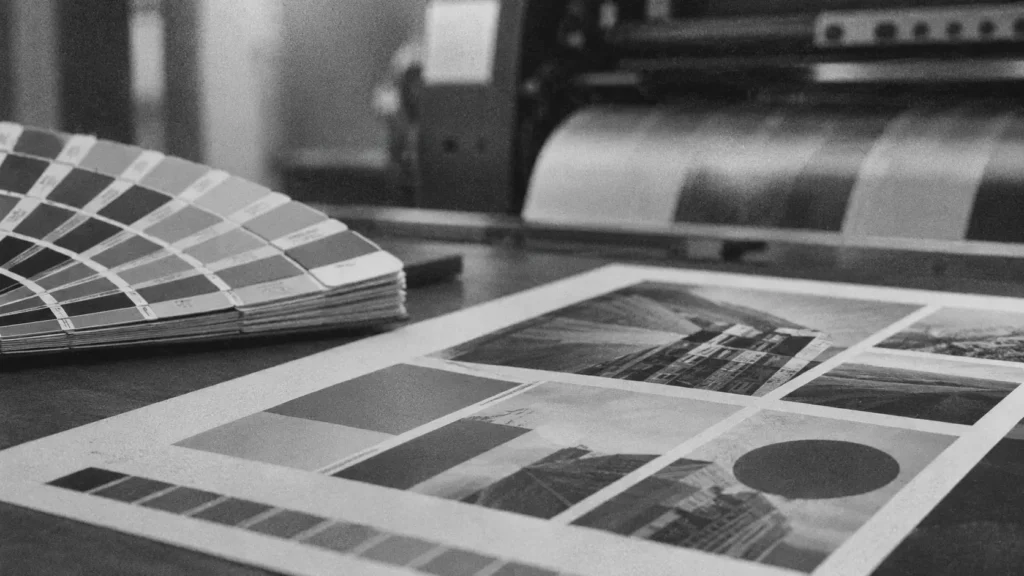
Every few years, someone declares print dead. Yet in 2026, businesses are still ordering brochures, catalogues, packaging, posters and direct mailers, and many are getting better results from them than ever. So, is print media design still relevant in 2026? Yes, absolutely. It has just changed its role.
As a branding and design studio in Rajkot, we see this every week. Brands do not choose between print and digital anymore. The smartest ones use print media design to build trust and memory, then use digital to extend reach. In this guide, we explain why print still matters, where it works best, and how to design it so it actually performs.
What Is Print Media Design?
Print media design is the process of creating visual materials meant to be physically printed and held. That includes brochures, flyers, catalogues, magazines, packaging, business cards, letterheads, posters, banners, standees, menus and direct mail.
Unlike a screen layout, print design has to account for paper type, finishes, ink, bleed, folds, resolution and colour accuracy. A good print designer thinks about how the piece will feel in someone’s hand, not only how it looks. If you want a refresher on the bigger picture, our guide on what brand identity is explains how print fits into a complete visual system.
Why Print Media Design Is Still Relevant in 2026
1. People are tired of screens
Feeds, ads, emails and notifications compete for attention every second. A well-designed physical piece cuts through that noise. It sits on a desk, gets passed around and stays visible long after a digital ad has been scrolled past.
2. Print builds trust and credibility
A premium brochure or a beautifully finished packaging box signals that a business is established and invests in quality. For high-value industries such as jewellery, real estate, tiles, furniture, healthcare and manufacturing, that physical proof of quality often closes the sale. Industry groups like Two Sides regularly publish research on how consumers perceive print and paper communication, and it is worth reading for supporting data.
3. Touch creates memory
Physical materials engage more senses than a screen. Texture, weight, embossing, foil and paper quality all leave an impression. This is why luxury and lifestyle brands put so much effort into tactile details.
4. Print cannot be blocked, skipped or lost to an algorithm
There are no ad blockers on a brochure and no algorithm deciding whether your catalogue is seen. Once it is in someone’s hands, you have their attention without paying per click again.
5. Print works as a bridge to digital
QR codes, short URLs, NFC tags and campaign landing pages turn print into a measurable channel. A single printed mailer can drive visits to your website and be tracked like any other campaign.
Print vs Digital Design: A Quick Comparison
| Factor | Print Media Design | Digital Design |
| Attention span | Longer, fewer distractions | Short, constant competition |
| Trust signal | High (tangible quality) | Medium (depends on site/ad) |
| Shelf life | Days to years | Seconds to days |
| Tracking | Needs QR codes / unique URLs | Native analytics |
| Cost to update | Reprint required | Instant edits |
| Best for | Brand impression, sales, packaging, events | Reach, retargeting, speed |
Neither wins on every point, which is why the best strategy combines both.
Where Print Media Design Works Best in 2026
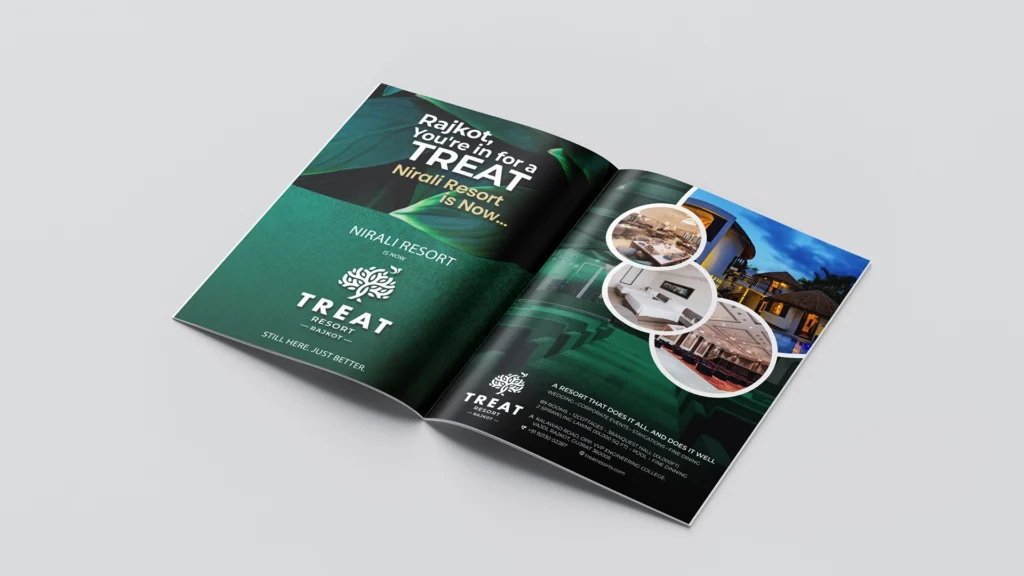
Packaging
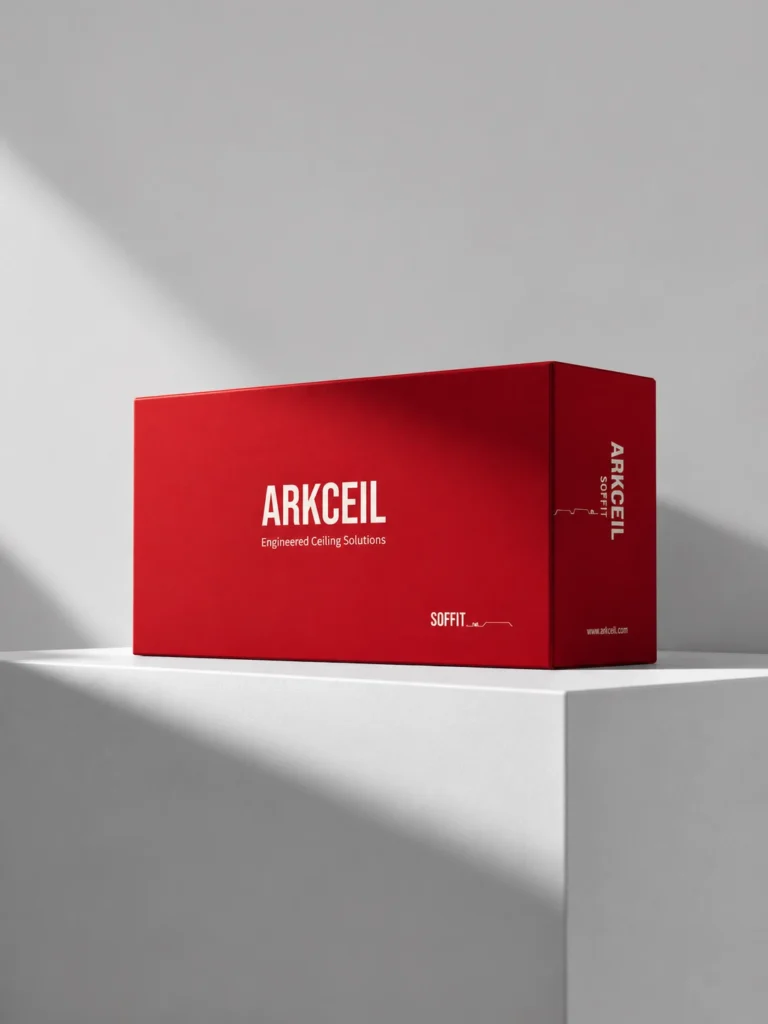
Packaging is print design at its most powerful, because it is both marketing and product experience. Unboxing moments get shared on social media and shape how customers feel about a brand. If you are planning a new pack, start with our guide on how to approach packaging design.
Brochures, catalogues and company profiles
B2B buyers, distributors and dealers still ask for a physical catalogue or company profile. A clean, well-structured layout makes complex product ranges easy to understand and easy to order from.
Business stationery and brand collateral
Business cards, letterheads, folders and invoices are small touchpoints that quietly reinforce professionalism. Consistency matters here, and our article on how to maintain brand consistency shows how to keep every printed piece aligned.
Events, retail and outdoor
Exhibition stalls, standees, in-store displays, posters and hoardings still drive footfall and recall in a way digital alone cannot replicate, especially in local and regional markets.
Direct mail and invitations
Personalised mail often gets opened because it feels more intentional than another email. Invitations, thank-you cards and festival greetings build real relationships with clients.
What Has Changed in Print Media Design
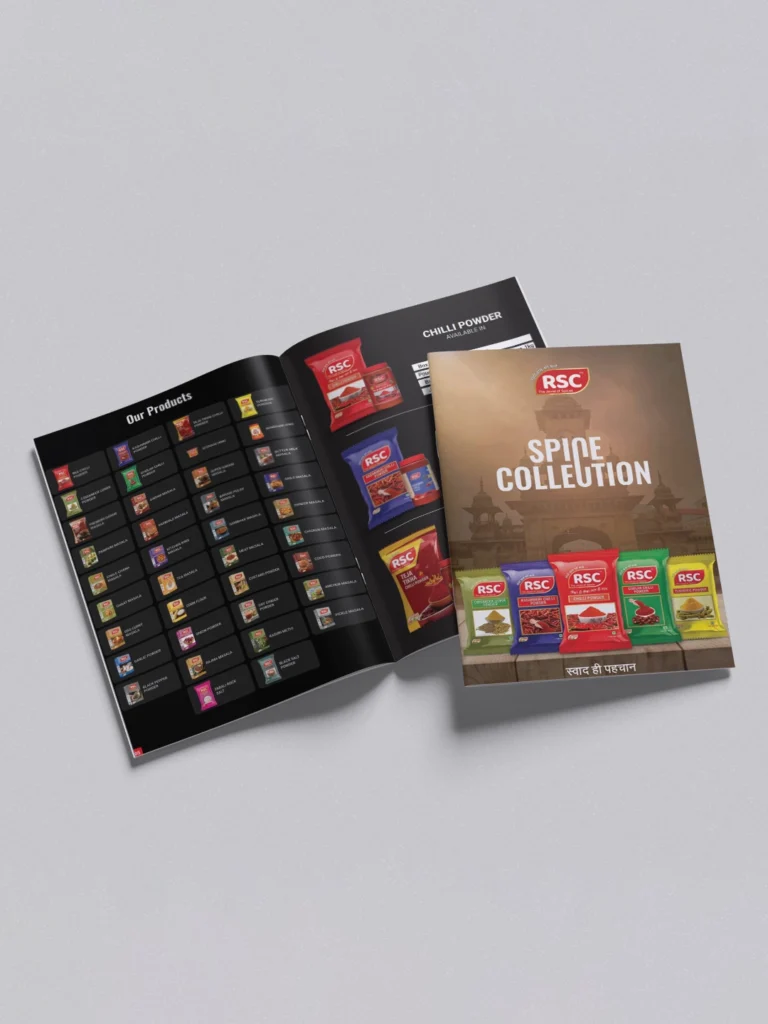
Print is relevant, but it is not the print of 2005. Modern print media design looks like this:
- Smarter and shorter: Less text, stronger hierarchy, bolder visuals
- Sustainable: Recycled paper, soy-based inks and plastic-free packaging are now a selling point
- Tactile: Spot UV, foil, embossing, textured stocks and unusual folds
- Connected: QR codes and landing pages that turn offline interest into online action
- Personalised: Variable data printing for names, offers and regions
- Short-run friendly: Digital printing allows small, flexible batches instead of huge minimum orders
How to Design Print Media That Actually Works
Start with a clear goal
Decide what the piece must do: introduce your brand, generate enquiries, explain products or support a sale. Every design decision should serve that one goal.
Follow your brand guidelines
Logo usage, typography, colour and tone should match across print and digital. If you do not have a rulebook yet, read what to include in brand guidelines.
Understand colour for print
Screens use RGB light, while print uses CMYK ink, so colours can look different on paper. Use CMYK or Pantone references, and check our colour theory basics to build palettes that translate well. For exact matching, the Pantone colour system is the industry standard reference.
Design with the printing process in mind
Use 300 DPI images, add 3 mm bleed, keep important text inside safe margins, and choose paper and finishes before final artwork. Always request a printed proof before a large run.
Invest in a strong visual hierarchy
The reader should know in three seconds what the piece is about, why it matters and what to do next. Use one clear headline, scannable sections and a single call to action.
Add a measurable call to action
Use a unique QR code, a short URL or a dedicated phone number on each campaign so you can see which printed piece generated enquiries.
Work with the right designer
Great print work needs a designer who understands both creativity and production. Our breakdown of what makes a good graphic designer and how to choose a logo design agency can help you evaluate partners.
Common Print Design Mistakes to Avoid
- Using low-resolution images that print blurry
- Ignoring bleed and safe margins
- Cramming too much text onto one page
- Choosing colours on screen without a print proof
- Skipping a call to action
- Treating print as separate from the rest of the brand
Print + Digital: The Winning Formula for 2026
The real answer to “is print still relevant?” is that print and digital work best together. A customer might see your Instagram ad, receive your catalogue, scan the QR code and book a call. Each touchpoint supports the next. Brands that treat print as part of one connected brand experience, and not a leftover from the past, tend to feel more credible and memorable. To see how this works in practice, explore our print media design projects and our wider portfolio.
If you are also deciding who should handle your brand, you may find our comparison of the best branding agencies in Rajkot useful.
Frequently Asked Questions
Is print media design still relevant in 2026?
Yes. Print media design remains relevant because it builds trust, creates lasting memory and cuts through digital noise. It performs best when combined with digital tools such as QR codes and landing pages.
Is print marketing better than digital marketing?
Neither is universally better. Digital offers speed, reach and tracking, while print offers credibility, tactile impact and longer attention. Most successful brands use both together.
What are examples of print media design?
Brochures, catalogues, flyers, posters, packaging, business cards, letterheads, menus, magazines, banners, standees and direct mail are all examples.
How much does print media design cost?
Cost depends on the project size, number of pages, research, illustration or photography needs, and revisions. Printing is billed separately and depends on paper, finish and quantity. Contact a design studio with your requirements for an accurate quote.
Which industries benefit most from print design?
Jewellery, real estate, tiles and building materials, furniture, FMCG, healthcare, hospitality, manufacturing and any brand selling to dealers or high-value customers benefit strongly from quality print collateral.
Can print design be tracked like digital marketing?
Yes. QR codes, unique URLs, coupon codes and dedicated phone numbers let you measure how many people respond to each printed piece.
Conclusion
So, is print media design still relevant in 2026? Yes. It has moved from mass distribution to meaningful, high-impact touchpoints that build trust and support digital campaigns. The brands that win are the ones that design print with strategy, consistency and measurement in mind.
If you want brochures, packaging, catalogues or complete brand collateral that looks premium and drives results, the team at Maglo Media can help. Start a project with us or browse our FAQs to learn how we work. You can also explore more design articles in our Graphic Design category, or see why we are considered among the best branding agencies in India.