What Is Brand Identity? Meaning, Elements, Examples & How to Build One

Quick answer: Brand identity is the collection of visual, verbal and emotional elements, such as your logo, colours, typography, voice and values, that a business uses to present itself and be recognised. It is what you control and create. It shapes how customers see, feel about and remember your brand.
If you have ever recognised a brand from its colour alone, or felt you “knew” a company before buying from it, you have experienced brand identity at work.
In this guide, we break down what brand identity is, its key elements, how it differs from branding and brand image, real examples, and a practical process to build one. Whether you are a startup or an established business planning a refresh, this will help you build an identity that lasts.
Key Takeaways
- Brand identity is the intentional way a business presents itself: visuals, voice and values.
- Its core elements are a logo, colour palette, typography, imagery, voice and brand guidelines.
- Brand identity is not the same as brand image. Identity is what you project, and image is what people perceive.
- A strong identity builds recognition, trust and pricing power.
- Consistency across every touchpoint matters more than any single design choice.
What Is Brand Identity?
Brand identity is the sum of everything a company deliberately creates to shape how people perceive it. This includes the visible parts (logo, colours, packaging, website) and the invisible parts (tone of voice, personality, mission and values).
Think of it as your brand’s personality and appearance combined. A person’s identity is expressed through how they look, speak and behave. A brand’s identity works the same way. For a broader definition of how the term is used in marketing, see the overview of corporate identity on Wikipedia.
A good brand identity does three things:
- Differentiates you from competitors.
- Communicates what you stand for, quickly.
- Builds recognition and trust through repetition and consistency.
Why Brand Identity Matters for Your Business
Many businesses treat identity as “just a logo”. In practice, it influences almost every business outcome:
- Recognition: Consistent visuals and messaging make you easier to remember.
- Trust: Professional, cohesive branding signals reliability, especially important for new businesses.
- Premium positioning: Brands with a clear identity can justify higher prices because customers see more value.
- Marketing efficiency: When your identity is clear, ads, social posts and sales material become faster and cheaper to create.
- Customer loyalty: People connect with brands that share their values, not just their products.
For early-stage companies, identity is part of the foundation. Read our guide on brand strategy for startups to see how identity fits into the bigger picture.
Brand Identity vs. Branding vs. Brand Image
These three terms are often mixed up. Here is the difference:
| Term | Meaning | Who controls it? |
| Brand identity | The visual, verbal and emotional elements a business creates to represent itself | You |
| Branding | The ongoing process of building and promoting your brand | You |
| Brand image | How customers actually perceive your brand | Your audience |
In short, identity is what you present, and image is what people take away. The goal of branding is to close the gap between the two.
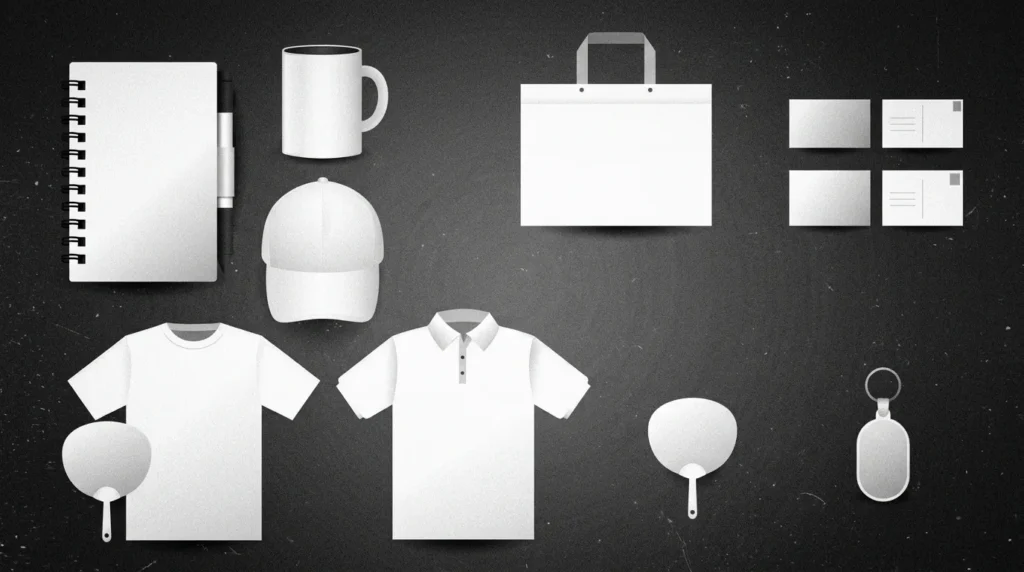
The 7 Key Elements of Brand Identity
1. Logo
Your logo is the most visible symbol of your brand. A strong logo is simple, memorable, versatile (works small and large, colour and black-and-white) and appropriate for your industry. If you are hiring help, here is how to choose a logo design agency.
2. Colour Palette
Colours trigger emotion and aid recognition. Most brands use a primary palette (2 to 3 colours) and a secondary palette for flexibility. Choosing colours is part psychology, part strategy. Our colour theory basics guide explains how to pick a palette that fits your brand.
3. Typography
Fonts carry personality. A serif typeface can feel traditional and trustworthy, while a clean sans-serif feels modern and approachable. Most brands define one heading font and one body font to stay consistent.
4. Imagery and Graphic Style
This covers photography style, illustration, icons, patterns and graphic elements. Whether your visuals are bright and playful or minimal and premium, they should feel like they belong to the same family.
5. Brand Voice and Tone
How you write and speak is part of your identity. Are you formal or conversational? Bold or reassuring? Your voice should stay recognisable across your website, emails, social media and ads, and flex in tone depending on the situation.
6. Brand Values, Mission and Personality
These are the foundation beneath the visuals. Your mission explains why you exist, your values guide how you behave, and your personality (for example, friendly, expert, rebellious) shapes how you communicate.
7. Brand Guidelines
Brand guidelines document all of the above so everyone, from designers to sales teams, applies the identity the same way. They typically cover logo usage, colours, fonts, imagery, tone of voice and do’s and don’ts. Without guidelines, consistency breaks down quickly. For tips, see how to maintain brand consistency.
Brand Identity Examples
Nike
Nike’s identity is built on a few strong elements: the Swoosh, a bold sans-serif wordmark, athletic photography and an empowering, motivational voice. Nearly everything it publishes reinforces the idea of courage and performance.
Apple
Apple’s identity is defined by minimalism: lots of white space, clean typography, premium product photography and simple, confident language. The design philosophy and the brand personality are the same thing.
Coca-Cola
Coca-Cola’s red colour, flowing script logo and contour bottle are recognisable almost anywhere. Its identity has stayed consistent for decades, which is a big reason for its recognition.
The lesson: none of these brands rely on a single element. Their strength comes from every element working together, repeated consistently.
How to Build a Brand Identity: Step-by-Step
Step 1: Define your brand foundation
Clarify your purpose, vision, values, target audience and positioning. Ask: Why do we exist? Who do we serve? What makes us different?
Step 2: Research your audience and competitors
Study how competitors present themselves and where the gaps are. Your identity should be recognisably different, not a copy of the category leader.
Step 3: Define your brand personality and voice
Choose 3 to 5 personality traits and decide how they show up in your writing and communication.
Step 4: Design your visual identity
Develop your logo, colour palette, typography, imagery style and supporting graphics. This is where a professional branding agency can speed things up and improve quality.
Step 5: Create brand guidelines
Document every rule so your identity can be applied consistently by anyone, across print, digital and packaging.
Step 6: Apply it across every touchpoint
Roll out your identity on your website, social media, packaging, stationery, presentations, signage and ads.
Step 7: Monitor, measure and evolve
Track recognition, engagement and feedback. If your business outgrows its identity, a refresh may be needed. Learn how to successfully rebrand your business without losing existing equity.
How Long Does It Take to Build a Brand Identity?
For most businesses, a complete identity project takes 4 to 8 weeks, depending on scope, research depth and revisions. See our breakdown of how long a branding project takes for a detailed timeline.
Common Brand Identity Mistakes to Avoid
- Copying competitors: you end up blending in rather than standing out.
- Following trends blindly: trendy designs age quickly.
- Inconsistency: using different colours, fonts or tones across channels weakens recognition.
- Skipping strategy: design without positioning is just decoration.
- No guidelines: teams and vendors will each interpret your brand differently.
- Over-complicating the logo: simple marks are more memorable and scalable.
Do You Need a Branding Agency?
You can build a basic identity yourself, but a specialist team brings strategy, design craft and an outside perspective. If you are weighing options, compare a branding agency vs a freelancer or see why branding agencies matter for startups.
At Maglo Media, we help businesses build identities that are strategic, distinctive and consistent. Browse our brand identity projects to see how we approach it for different industries.
Frequently Asked Questions
What is brand identity in simple words?
Brand identity is how a business presents itself to the world through its logo, colours, fonts, voice and values, so people can recognise and remember it.
What are the main elements of brand identity?
The main elements are the logo, colour palette, typography, imagery, brand voice, brand values and brand guidelines.
What is the difference between brand identity and brand image?
Brand identity is what a company creates and communicates. Brand image is how customers actually perceive the company. Good branding aligns the two.
What is the difference between brand identity and logo?
A logo is one part of brand identity. The full identity also includes colours, typography, imagery, voice and guidelines.
How much does it cost to create a brand identity?
Cost varies widely based on scope, from a basic logo-and-palette package to a full strategy-led identity system with guidelines. Working with an agency lets you scope it to your stage and budget.
Can a small business or startup benefit from brand identity?
Yes. A clear identity helps new businesses build trust faster and compete with larger, more established players. See our guide to brand strategy for startups.
How often should you update your brand identity?
Minor updates can happen as needed, but a full refresh is usually considered every 5 to 10 years, or when your business, audience or positioning changes significantly.
Conclusion
Brand identity is more than a logo. It is the system of visuals, voice and values that makes your business recognisable and trusted. Brands that define their identity clearly and apply it consistently stand out in crowded markets and build lasting customer relationships.
Ready to build or refresh yours? Start a project with Maglo Media and let’s create an identity your audience remembers.