What Is 3D Design and Why Does Your Brand Need It?
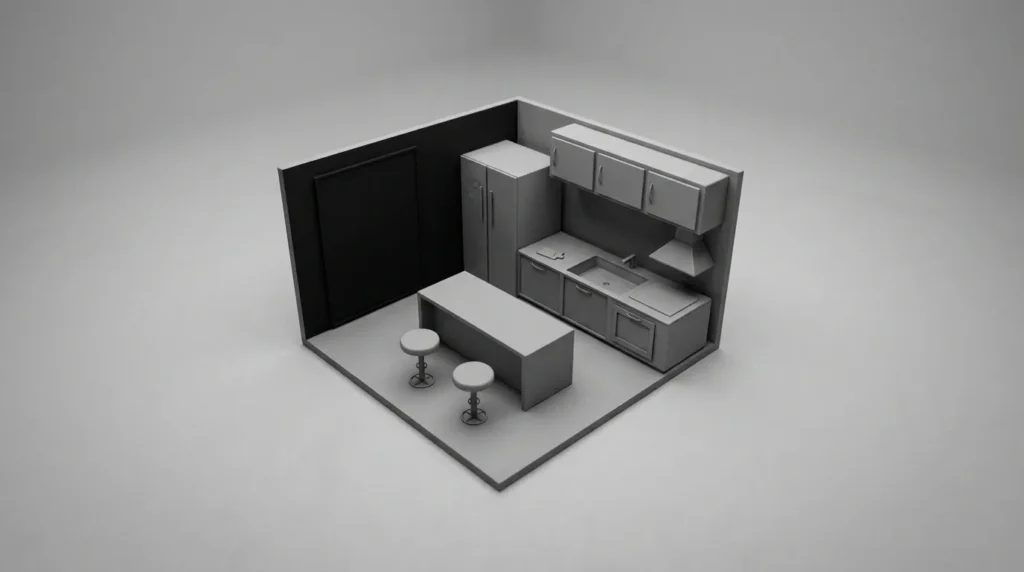
Open any product page, social media ad or brand video today and you will notice how many of them look three-dimensional. Behind that depth is 3D design: the craft of building objects, spaces and scenes on a computer so they look real from every angle. Whether you sell packaged food, furniture, software or services, 3D design helps your brand look sharper, explain ideas faster and stay in people’s memory.
In this guide from Maglo Media, a branding and digital marketing agency in Rajkot, you will learn what 3D design is, how the process works, the main types, and the practical reasons your brand needs it. By the end, you will know exactly where 3D design fits in your brand and how to start.
What Is 3D Design?
3D design is the process of using software to create a digital model of an object, space or character in three dimensions: width, height and depth. That model can be viewed from any angle, lit and textured like the real thing, and then turned into images, animations or interactive experiences. Autodesk, one of the best-known makers of design software, describes the finished model as a mathematical representation of a three-dimensional shape.
3D design is not new. It grew out of computer-aided design (CAD) tools such as AutoCAD, which replaced hand drafting across many engineering fields from the 1980s onward, as the IEEE Technology Navigator explains. What has changed is how visual and accessible it has become. Today, brands use the same core idea to create product renders, animated logos, packaging mock-ups and virtual showrooms.
3D design vs 2D design
3D design does not replace 2D design. Logos, posters and social posts still start as flat artwork. The strongest brands use both, and add 3D where depth and realism make the message clearer.
| Feature | 2D design | 3D design |
| Dimensions | Width and height | Width, height and depth |
| Viewing angle | One fixed view | Any angle, with rotate and zoom |
| Realism | Flat or illustrated | Realistic light, materials and shadows |
| Best for | Logos, posters, print, social posts | Product visuals, packaging, animation, AR and VR |
| Reuse | New artwork for every view | One model gives many images and videos |
How Does the 3D Design Process Work?
Every 3D design project follows a clear path from idea to finished visual. The exact steps change with the goal, but a good process looks like this:
- Brief and research. The team defines what the 3D design must achieve, who will see it and where it will appear, such as a website, social media, print or a presentation.
- Concept and references. Sketches, mood boards and reference images fix the style, shapes, colors and mood before any modeling starts.
- 3D modeling. Designers build the digital shape of the object or scene using polygons or digital sculpting. This is the skeleton of the whole project.
- Texturing and materials. Colors, patterns and surface finishes such as glass, metal, fabric or matte plastic are added so the model looks real.
- Lighting and camera setup. Virtual lights and camera angles are placed like a photography studio to create depth, mood and focus.
- Rendering and animation. Software calculates the final images. If the project needs movement, the model is animated frame by frame or with motion paths.
- Final edits and delivery. Color correction, effects and file optimization prepare the visuals for the website, social media, ads or print.
The tools behind this work include Blender, a free and open-source 3D creation suite, along with industry software such as Autodesk Maya and Cinema 4D. The tool matters less than the planning: a strong brief and a clear concept decide how good the final visual looks.
Types of 3D Design Every Brand Should Know
3D design is a broad field. These are the types brands use most often.
3D modeling
3D modeling is the foundation. Designers build the digital shape of a product, character, building or scene. Every other type of 3D design starts from a model.
3D rendering and product visualization
Rendering turns a model into a realistic still image. Brands use 3D product visualization for catalog images, website banners and ads, long before a physical product is photographed, or even made.
3D animation and motion graphics
When a 3D model moves, it becomes animation. Animated logos, product demos, explainer videos and social media reels all use 3D motion to hold attention in the first few seconds.
3D packaging design
Packaging mock-ups let you see a box, bottle, pouch or label from every side before it goes to print. This helps teams review shape, color and branding decisions early and with confidence.
3D product design
Product designers use 3D models to test form, size and function. The same model can later be used for marketing visuals, so design and promotion share one source.
Interactive 3D, AR and VR
Interactive 3D lets visitors rotate a product on your website, view it in their own room through augmented reality (AR), or walk through a virtual space in virtual reality (VR). If you plan to add 3D viewers to your site, our web development insights cover what a modern website needs to run them smoothly.
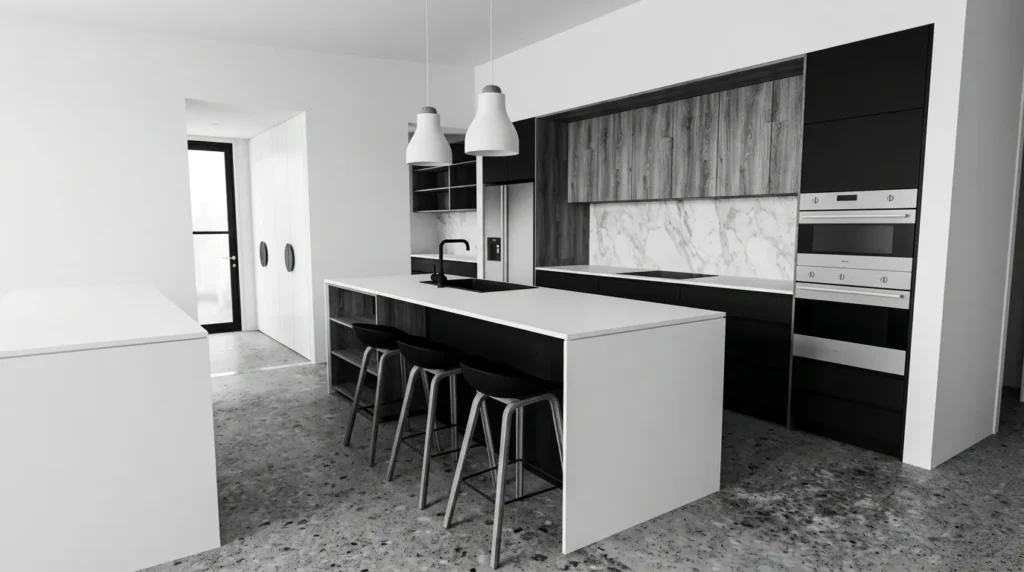
Why Does Your Brand Need 3D Design?
People decide in seconds whether a brand deserves their attention. 3D design gives you a way to earn that attention and keep it. Here are the strongest reasons to add it to your brand toolkit.
1. It helps your brand stand out
Feeds, search results and marketplaces are full of flat images that look alike. Depth, realistic lighting and smooth motion break that pattern and make your brand easier to notice and remember.
2. It shows products before they exist
With 3D design, you can present a product, package or space before it is manufactured or built. You can launch campaigns, collect feedback and finalize decisions earlier, without waiting for a physical sample or a photo shoot.
3. It explains complex ideas simply
Some products and services are hard to describe in words. A 3D cutaway, an exploded view or a short animation can show how something works in seconds, which is why 3D is so popular for machinery, technology, health and real estate brands.
4. It builds trust and supports sales
When customers can see every angle and detail, they feel more sure about what they are buying. Shopify reported that merchants who added 3D content to their stores saw a 94% conversion lift on average. Results vary by business, but the lesson is clear: buyers respond to products they can explore.
5. It keeps your branding consistent
One well-built 3D model can produce website banners, social media posts, ad creatives, packaging previews and print layouts, all with the same look. That consistency is a core part of strong branding, and it is exactly how we approach projects as a branding agency in Rajkot.
6. It is flexible when ideas change
Need the same product in a new color, a different finish or a fresh angle? Edit the 3D model and render again. There is no need to start the visual from scratch, which keeps campaigns moving.
7. It prepares your brand for what comes next
AR try-ons, 3D product viewers and immersive websites are becoming normal parts of the customer journey. A brand that already owns its 3D assets can step into these formats quickly.
Industries That Use 3D Design
Almost every sector that sells a product, a space or an idea can use 3D design. A few common examples:
- Retail and e-commerce: rotating product viewers, catalog images and AR previews.
- Food, beverage and FMCG: pack shots, label tests and packaging mock-ups for every size and variant.
- Manufacturing and engineering: machine walkthroughs, exploded views and technical product animations.
- Real estate and architecture: interior renders and virtual walkthroughs shown before construction begins.
- Healthcare and education: clear visuals for anatomy, processes and training material.
- Fashion, jewelry and lifestyle: close-up detail of fabric, metal and gemstones that photos struggle to capture.
- Technology and startups: polished launch visuals for apps, devices and software ideas.
If you want a deeper technical background on how 3D models are built, Wikipedia’s overview of 3D modeling is a good place to continue.
How to Choose the Right 3D Design Partner
Great 3D work needs both technical skill and brand understanding. Before you hire a studio or an agency, check these points:
- A portfolio that fits your style. Look for realistic lighting, clean detail and a range of projects, not just one look repeated.
- Brand thinking, not only software skill. Your 3D visuals should match your logo, colors, tone and audience. Ask how the team connects 3D work to your wider brand identity.
- A clear process. A good partner explains each stage, shares drafts for approval and sets out how revisions work.
- Usable files and clear ownership. Confirm you will receive formats you can use across channels, such as images, videos and web-ready 3D files like GLB, and that you own the final assets.
- Multi-channel experience. The same 3D asset should work on your website, social media, ads, packaging and print.
- Reliable communication. Prompt replies and honest timelines matter as much as the final render.
Frequently Asked Questions About 3D Design
What is 3D design in simple words?
3D design is the process of creating a digital model of an object, space or character using software, so it can be viewed from every angle. These models are used to make realistic images, animations and interactive experiences for products, packaging, architecture and advertising.
What is the difference between 3D design and 3D modeling?
3D modeling is one stage of 3D design: building the shape of the object. 3D design is the wider process that adds texturing, lighting, rendering and animation to turn that model into a finished visual.
Which software is used for 3D design?
Popular choices include Blender, Autodesk Maya, Autodesk 3ds Max, Cinema 4D and ZBrush. The right tool depends on the project, such as product visuals, character animation, architecture or digital sculpting.
Is 3D design only for large brands?
No. Small and growing businesses can start with a single hero product render, an animated logo or a packaging preview, and then build a bigger library of 3D assets over time.
Where can my brand use 3D design?
You can use 3D design on your website, social media posts and reels, digital ads, packaging, catalogs, presentations, event displays and AR experiences.
How long does a 3D design project take?
It depends on the complexity of the model, the number of visuals, whether animation is included and how many revision rounds are needed. A clear brief and quick feedback keep the timeline smooth.
Final Thoughts: Is 3D Design Right for Your Brand?
3D design turns ideas into visuals people can see, explore and trust. It helps your brand stand out, explain products clearly, stay consistent across channels and get ready for formats like AR and interactive web experiences. If your brand sells something people need to see to believe, 3D design is worth adding to your strategy.
Looking for 3D design services in Rajkot or anywhere in India? The team at Maglo Media combines creative design with brand strategy, so every visual supports your bigger business goals. Start your project with Maglo Media and tell us what you want to bring to life, or keep reading more guides in our Maglo Media insights.