Cinematography Skills for Content Producers
Creating great content is no longer just about having a good camera. Today, successful creators must develop strong Cinematography Skills for Content Producers to capture attention, tell compelling stories, and produce professional-quality videos. Whether you’re creating YouTube videos, social media content, brand campaigns, or promotional films, mastering cinematography can dramatically improve your visual impact and audience engagement.
Understanding Cinematography for Content Production
Cinematography is the art of capturing visual stories through camera techniques, lighting, framing, and movement. For content producers, it helps transform ordinary footage into engaging visual experiences. High-quality cinematography can increase viewer retention, improve brand perception, and make content more memorable.
Why Cinematography Matters
Modern audiences consume thousands of videos every day. Strong cinematography helps content stand out by creating a polished and professional appearance. It also strengthens storytelling by guiding viewers’ attention to important moments.
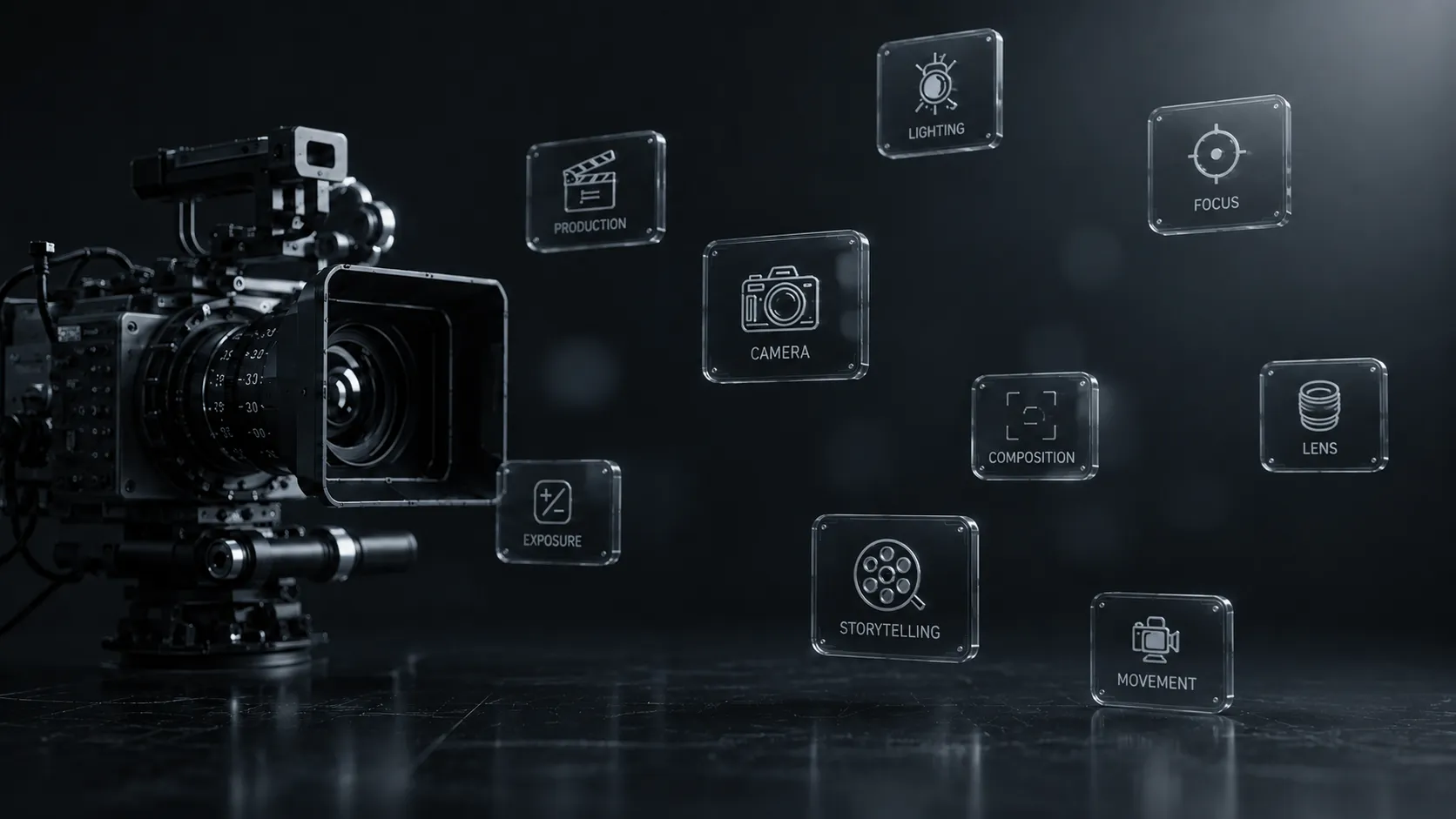
Core Elements of Cinematography
Key components include:
- Camera angles
- Framing and composition
- Lighting
- Camera movement
- Color and mood
- Visual storytelling
Essential Camera Techniques Every Producer Should Learn
Developing practical camera skills is the foundation of effective video production.
Mastering Camera Composition
Composition determines how subjects are arranged within the frame.
Popular composition techniques include:
- Rule of Thirds
- Leading Lines
- Symmetry
- Depth Creation
- Negative Space
Applying these techniques helps create visually balanced and engaging shots.
Understanding Camera Movement
Intentional camera movement adds energy and emotion to videos.
Common camera movements include:
- Pan
- Tilt
- Dolly
- Tracking Shot
- Crane Shot
- Handheld Movement
When used correctly, movement enhances storytelling rather than distracting viewers.
Lighting and Composition Fundamentals
Lighting plays a major role in the success of Cinematography Skills for Content Producers.
Good lighting improves image quality, enhances mood, and highlights important subjects.
Natural vs Artificial Lighting
| Lighting Type | Advantages | Best Use Cases |
| Natural Light | Cost-effective and realistic | Outdoor shoots |
| Artificial Light | Consistent and controllable | Studio productions |
| Mixed Lighting | Flexible setup | Commercial content |
Both lighting approaches can produce excellent results when properly managed.
Creating Mood Through Lighting
Different lighting styles communicate different emotions.
Examples include:
- Soft lighting for interviews
- High-key lighting for promotional videos
- Low-key lighting for dramatic scenes
- Backlighting for cinematic depth
Benefits of Strong Cinematography Skills
Investing in cinematography skills offers significant advantages for content producers.
Key Benefits Checklist
Higher video quality
Better audience engagement
Improved storytelling
Stronger brand image
Increased watch time
Greater social media performance
Practical Tips for Better Cinematography
Follow these proven techniques:
- Always plan shots before filming.
- Use a tripod whenever possible.
- Prioritize proper lighting.
- Keep backgrounds clean and intentional.
- Learn basic color correction.
- Practice different camera angles.
- Review professional films and commercials.
Common Mistakes to Avoid
Many beginners make avoidable cinematography errors.
Avoid:
- Shaky footage
- Poor lighting conditions
- Overusing camera movements
- Ignoring composition rules
- Incorrect white balance
- Inconsistent shot selection
FAQ Section
What are cinematography skills for content producers?
These are visual storytelling skills that include camera operation, composition, lighting, framing, and movement used to create professional-quality video content.
Do content creators need cinematography skills?
Yes. Strong cinematography improves video quality, audience engagement, and overall content performance across platforms.
How can beginners improve cinematography skills?
Beginners can practice framing, learn lighting basics, study professional videos, and experiment with different camera techniques.
What is the most important cinematography skill?
Composition is often considered one of the most important skills because it directly affects how viewers perceive visual information.
Can smartphones be used for professional cinematography?
Yes. Modern smartphones combined with proper lighting, composition, and storytelling techniques can produce highly professional content.
Conclusion
Mastering Cinematography Skills for Content Producers is one of the most valuable investments any creator can make. Strong composition, effective lighting, smooth camera movement, and visual storytelling can transform ordinary footage into compelling content that attracts and retains viewers.
Start by practicing one skill at a time, analyze professional videos, and continually refine your techniques. Over time, you’ll produce more engaging content that strengthens your brand and connects with your audience.